
Governance
The governance of ASU-GHI consists of a Management Team, an Executive Committee and a Strategic Orientation Committee.
Direction
The ASU-GHI is led by Juan-Fernando Ramirez, assisted by his Deputy Directors from various components of the Alliance Sorbonne University.
- JF. Ramirez – Director General of the Institute of Global Health.
- JM. Oppert – Scientific and Educational Coordination (PU-PH, FS-SU, Nutrition Service of the CHU Pitié-Salpêtrière).
- C. Bognon-Küss – Coordination of the Biomedical Humanities & Ethics Axis (MCF, FL-SU, SND, UMR 8011).
- F. Guillo-Benarous – Director of the Students Health Department of Sorbonne University.
- AL. Paradis – Transdisciplinary Research (CR, CNRS).
- F. Carrat – Public Health Expertise and Education (PU-PH, iPLesp, Inserm UMR 1136).
- C. Rossi – Research Strategies and Innovation (PU, UTC, GEC, CNRS UMR 7025).
- T. Van Zandt – Coordination of the Health Economics Axis (PU, INSEAD).
A. Mahot is the Secretary General of the institute.
Juan-Fernando Ramirez – Director General of the ASU-GHI
Born in Colombia and raised between Mexico and the United States, he trained as a medical doctor and surgeon before working in rural areas, where he developed a deep awareness of the social and human dimensions of health. Driven by the desire to sustainably improve care, he turned to medical innovation, earning a PhD in cardiovascular physiology at Université Paris Cité and later completing a fellowship in interventional cardiology at Sorbonne University. With more than 30 years of experience across the Americas, Europe, and Japan, he has combined research, clinical practice, and international leadership roles in the pharmaceutical and medical device industries. Before joining Sorbonne University, he held executive positions at Sanofi and served as VP of Medical R&D at Air Liquide Healthcare. An active member of European initiatives such as EIT Health and of the bioethics working group of the French Ministry of Health, he is committed to responsible innovation. As founder and director of the Global Health Institute of the Sorbonne University Alliance, he works to transform science into concrete, equitable, and sustainable solutions. A former professor of physiology in Colombia, he remains deeply committed to education, knowledge sharing, and international scientific cooperation to strengthen health systems and improve the lives of the most vulnerable.
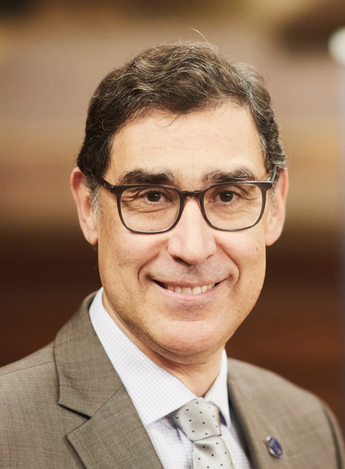

Jean-Michel Oppert – Scientific and Educational Coordination
Jean-Michel Oppert, MD, PhD, is a professor of nutrition at the Faculty of Health Sciences of Sorbonne University and senior physician in the Department of Nutrition at Pitié-Salpêtrière hospital (AP-HP). His research interests focus on lifestyle factors, particularly physical activity and sedentary behavior in relation with diet, their health consequences at individual and population level, and their environmental and structural determinants. For his clinical work, he acted as head of the Department of Nutrition at Pitié-Salpêtrière for 12 years, working to develop multidisciplinary care pathways for patients with obesity. His long-standing interest in global and international health has led him to participate in a number of European research and policy projects. He is a founding member of the WHO-supported HEPA-Europe (Health-Enhancing Physical Activity) network, past president of the European Association for the Study of Obesity (EASO), and also currently the French representative of the Global Observatory on Physical Activity – GoPA!.
Cécilia Bognon-Küss – Coordination of the “Biomedical Humanities & Ethics” Axis
Cécilia Bognon-Küss is a philosopher by training and a specialist in the history and philosophy of life sciences. She is currently an assistant professor at Sorbonne University, within the Philosophy Department, attached to the research unit “Sciences, Norms, Democracy“ (UMR 8011). She is responsible for the Master's programme in Biomedical Humanities in the Philosophy department at Sorbonne University and is deputy director of the Institute of Global Health at Sorbonne University. Her research examines the conceptual and historical foundations of biological and medical sciences, with a particular focus on the concepts of nutrition, biological individuality, metabolism, environmental health and the relationship between organisms and their environment. Her approach, which combines the history of philosophy, the history of science and the philosophy of contemporary science, is based on constant dialogue between disciplines.

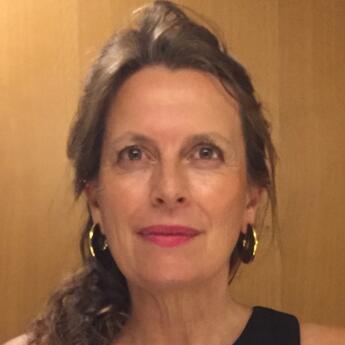
Françoise Guillo-Benarous – Director of the Students Health Department of Sorbonne University
Currently, Dr Françoise Guillo-Beranous serves as the Medical Director for the Students Health Department at Sorbonne University in Paris, where she is also the Deputy Director at the ASU-GHI, Sorbonne University Global Health Institute. Her career spans work in healthcare, clinical research, and education across France, the US, and China, focusing on care and public health missions. Notably, she previously developed and taught Global Health courses at New York University Shanghai, establishing a Global Health Track there. Her current professional focus centers on addressing the health and critical life choices of college students through a global health perspective.
Anne-Lise Paradis – Transdisciplinary Research
Anne-Lise Paradis is a CNRS Researcher (PhD, HDR) and an engineer trained at Telecom ParisTech. She is Deputy Head of the Cerebellum, Navigation and Memory Laboratory within the Center for Neuroscience (NeuroSU, Sorbonne University, CNRS, Inserm) at the Institute of Biology Paris-Seine (IBPS). Since 2018, she has served as an expert for ANSES on the committee assessing health risks related to physical agents and emerging technologies, and previously contributed to the working group on 3D technologies and vision (2012–2013).
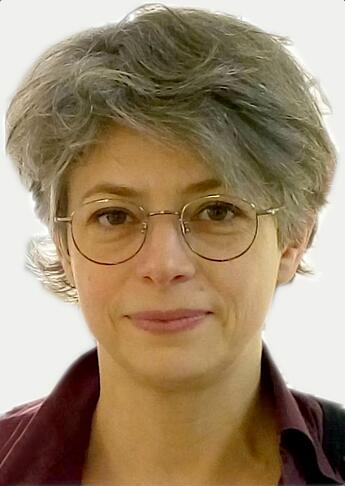
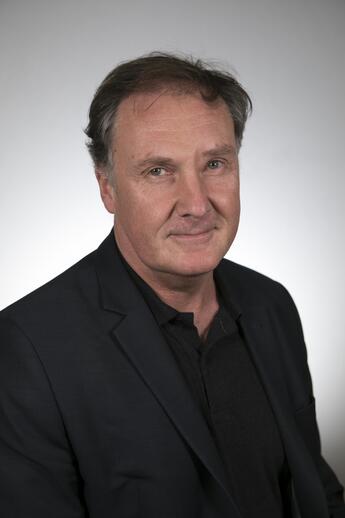
Fabrice Carrat – Public Health Expertise and Education
Fabrice Carrat is a doctor, professor of biostatistics and hospital practitioner at Sorbonne University and Saint-Antoine Hospital. Since 2019, he has been director of the Pierre Louis Institute of Epidemiology and Public Health, a research unit at Sorbonne University and Inserm, which has 260 affiliated staff, 8 teams and 2 platforms. His areas of research concern the epidemiology of infectious diseases and epidemiological methods. He is the author of more than 400 publications in peer-reviewed journals, particularly in the field of respiratory viral diseases and digestive diseases. He coordinates the CESAM inter-university diploma, created and coordinates the Master's degree in public health and teaches several courses at the Faculty of Health Sciences at Sorbonne University.
Claire Rossi – Research and Innovation Strategies
Claire Rossi has been President of the University of Technology of Compiègne (UTC) since December 2022. She serves on the board of members of the Sorbonne University Alliance, the board of directors of the Sino-French Institute for Engineering and Technology (UTSEUS) in Shanghai, and the prospective commission of the Regional Economic, Social and Environmental Council (CESER) Hauts-de-France. At the national level, she is vice-president of the “Ecological Transition and Societal Engagement” Commission of the CDEFI (Conference of Directors of French Engineering Schools). She also chairs the supervisory board of UTEAM SA, UTC’s technology transfer subsidiary, and the steering committee of the International Campus UTC-UPT, the Franco-Albanian campus for engineering and innovation in Tirana.

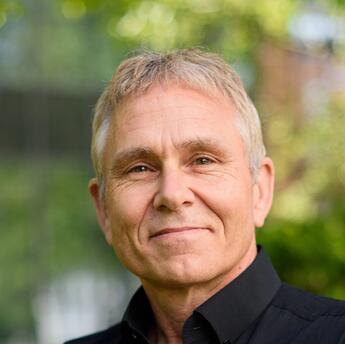
Timothy Van Zandt – Coordination of the Health Economics Axis
Timothy Van-Zandt leads the health economics axis of the Institute of Global Health. He previously was the director of the Alliance Sorbonne University’s Health Economics Initiative. His current research most closely related to this theme is on reclassification risk in health insurance and the trade-offs in allowing flexibility in people’s choice of health insurance. He has been professor at INSEAD since 1999 and prior to that he began his career at Princeton University. He served as INSEAD's Dean of Faculty and Research from 2013 to 2017.
Agnès Mahot – Secretary General
Agnès Mahot is the Secretary General of the Global Health Institute of the Sorbonne University Alliance (ASU-GHI). She holds an MSc in Global Health and International Development, as well as an interdisciplinary Bachelor’s degree in Arts and Sciences (International Development, Psychology). With an international background – from the Congo to the Netherlands, via Southern Europe and the Middle East – she has developed a global perspective on health issues. Her master’s research focused on access to healthcare for undocumented migrants in France. Before joining ASU-GHI, she worked in the non-profit and NGO sectors, notably in fundraising, project coordination, and applied research. Her international and interdisciplinary experience now informs her commitment to building a structured global health expertise within ASU.

Executive Committee
The Executive Committee brings together the coordinators of the priority areas and draws on all the training and research entities of the Sorbonne University Alliance involved in global health, as well as our strategic partners, thereby promoting cross-sector synergies.
- E. Bayen – Physical Medicine and Rehabilitation (PU-PH, FS-SU, CHU Pitié-Salpêtrière).
- M. Dubois – Social Sciences Applied to Health (DR, CNRS, FL-SU, GEMASS UMR 8598).
- JB. Fini – Coordination of the “Health & Environment” Axis (PU, MNHN, PhyMa, CNRS UMR 7221).
- K. El Hadri-Zegouagh – Coordination of the “Nutrition” Axis (PU, FSI-SU, B2A-IBPS, CNRS UMR 8256).
- K. Kinugawa-Bourron – Coordination of the “Autonomy - Aging - Vulnerabilities” Axis (PU-PH, Unit for Functional Explorations of the Elderly – CHU Charles Foix, FSI/FS-SU, B2A-IBPS, CNRS UMR 8256).
- JS. Cadwallader – Epidemiology and Public Health (MCU-PH, FS-SU, iPLesp, UMRS 1136).
- F. Dhombres – Coordination of the “Digital Health & Technology” Axis (MCU-PH, FSI/FS-SU, LIMICS UMR-S 1142).
- J. Gligorov - Coordination of the “Cancer” Axis (PU-PH, IUC - CHU Tenon).
- A. Escargueil - Permanent Guest, Scientific Co-Lead of the “Global Health Approach” Pillar of the SOUND Project (PU, FSI-SU, Inserm, CRSA UMRS 938).

Éléonore Bayen – Physical Medicine and Rehabilitation
Éléonore Bayen is Professor of Medicine and director of the academic Physical & Rehabilitation Medicine Department at Sorbonne University (including the lead of GRC24 research group on rehabilitation). She is the Head Director of the clinical Neuro-Rehabilitation Department of Pitié-Salpêtrière hospital in Paris (specialized in Traumatic Brain Injury & severe acquired brain lesions). Eleonore holds a medical degree in Neurology (2008, UPMC, Paris), a PhD in Economics (2015, Université Paris-Dauphine) and a post-doctoral certification in Public Health (2017, UC San Francisco). During her Fulbright fellowship in the US, she was selected to become an Atlantic Fellows for Equity in Brain Health and graduated from the Global Brain Health Institute (GBHI, Trinity College Dublin & UC San Francisco), a life-long community for leaders advancing fairer, healthier and more inclusive societies worldwide. Éléonore is Executive Board Member of the ASU-GHI and she brings her research expertise in the domain of brain health and implementation science and modifiable factors associated with disability & inclusion strategies.
Michel Dubois – Social Sciences Applied to Health
Michel Dubois is a Senior Research Fellow at the French National Centre for Scientific Research (CNRS) and Director of the Groupe d’Étude des Méthodes de l’Analyse Sociologique de la Sorbonne (GEMASS), a joint research unit of Sorbonne University and the CNRS. He holds a PhD in Sociology from Sorbonne University and an Habilitation à diriger des recherches in Sociology. Since September 2025, he has served as Director of the French Office for Scientific Integrity (OFIS). Since 2019, he has also directed the social sciences lab Groupe d’Étude des Méthodes de l’Analyse Sociologique de la Sorbonne (GEMASS). Between 2016 and 2019, he conducted his research in the United States as Deputy Director of a CNRS international research unit, first in Los Angeles and later in Washington, DC. During this period, he was also a visiting scholar at UCLA’s Institute for Society and Genetics and at the School of Medicine at George Washington University (GWU). He has held significant editorial responsibilities, including serving as Director of the Revue française de sociologie. Michel Dubois’s research explores the evolving relationship between science and society. His work focuses on transformations in the public image of science and technology, the articulation between social and biological explanations – particularly in environmental epigenetics – and the mechanisms through which scientific knowledge is corrected.

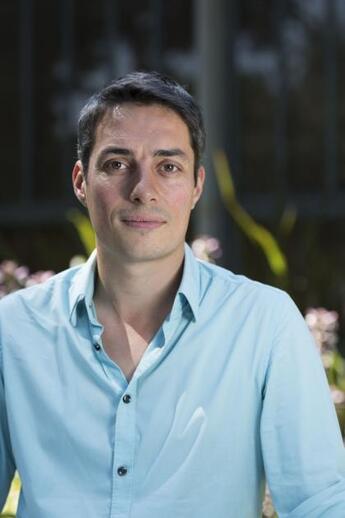
Jean-Baptiste Fini – Coordination of the “Health & Environment” Axis
Jean-Baptiste Fini is a full professor at the National Museum of Natural History (MNHN) in the “Adaptation of Living Organisms” department, within a joint research unit with the CNRS (National Center for Scientific Research) called “Physiological and Molecular Adaptation.” Within this CNRS/MNHN joint unit, Professor Fini leads the RODEO research team (Responses to Environmental Challenges), which focuses particularly on thyroid hormone signaling pathway disruptors and studies the short- and long-term consequences of early exposure to different classes of chemical substances, either as individual molecules or as mixtures. Over the past ten years, he has developed a test to identify thyroid disruptors and their effects as part of Professor Demeneix’s team, which was awarded the CNRS Innovation Medal in 2014. Dr. Fini currently participates in several OECD expert groups (AOP, Thyroid) and is also a member of the endocrine disruptor working group of the French Agency for Food, Environmental and Occupational Health & Safety (ANSES), as well as an EDC working group at the European Food Safety Authority (EFSA).
Khadija El Hadri-Zegouagh – Coordination of the “Nutrition” Axis
Khadija El Hadri-Zegouah is a professor of Animal Physiology at the Faculty of Science and Engineering of Sorbonne University in Paris. She is affiliated with the “Development, Adaptation, and Aging” (Dev2A) laboratory, where she leads a research project on age-related inflammation within the “Integrative Cellular, Aging and Inflammation” team at the Paris Scène Biology Institute. In addition to her research activities, she is also responsible for the “Nutrition, Quality and Health” (NQS) program in the Master's in Integrative Biology and Physiology. She has extensive experience in setting up and supervising nutritional innovation projects with her Master's 2 students as part of the “Nutrition and Health” course, for which she is responsible within her NQS Master’s program. These projects are developed at the Sorbonne University FabLab in collaboration with startups in the field of nutritional innovation for sustainable food. She has acquired solid experience in providing scientific support and advice to several startups and companies partnering with the NQS master's program. Khadija is involved in two newly created structures, January 2025, as part of the Alliance Sorbonne University. She is deputy director of the Food Initiative and a member of the Executive Committee and coordinator of the Nutrition axis of the Global Health Institute.
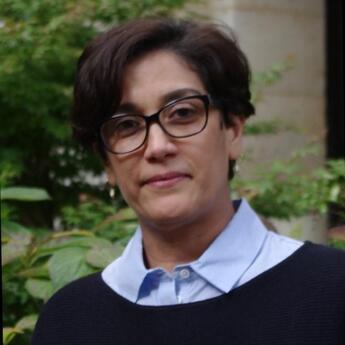
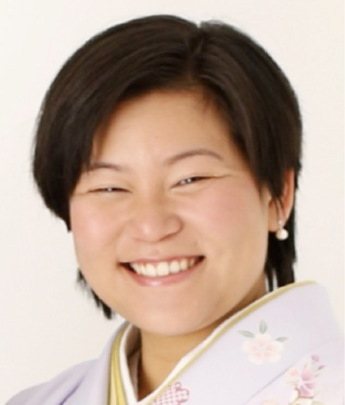
Kiyoka Kinugawa-Bourron – Coordination of the “Aging-Vulnerability-Autonomy” Axis
Professor Kiyoka Kinugawa is a neuro-geriatrician at Sorbonne University. She heads the Functional Investigation Unit of the Older Person at Charles Foix Hospital/AP-HP, a geriatric university hospital. She is a member of the Executive Committee of the Alliance Sorbonne University Global Health Institute, leading the Aging-Vulnerability-Autonomy axis. She is also a member of the scientific committee of the French Geriatrics & Gerontology Society and French national teaching committees for Geriatrics and Sleep Medicine. Her research focuses on: neurodegenerative and sleep disorders in older adults; developing diagnosis/monitoring tools for sarcopenia and muscle aging; developping metric for healthy aging; and impact of sleep intermittent hypoxia on neurodegenerative pathology and cellular senescence (molecular to neurobehavioral levels).
Jean-Sébastien Cadwallader – Epidemiology and Public Health
As a French Doctor in general practice; PhD in Social Epidemiology, and Professor at Sorbonne University, Jean Sébastien Cadwallader is a member of the ASU-GHI Executive Board. He has worked as a general practitioner at the Aubervilliers Health Center since 2011 and coordinates research on social inequalities in health with the city's public health department. He completed his doctoral studies in INSERM Unit 1178 (Director: Bruno Falissard), where he focused on eating disorders. He teaches qualitative research methods in healthcare, having trained at the Universities of Antwerp and Maastricht, and has been the deputy editor-in-chief of Exercer, the French journal of general practice, since 2013. He is also a member of GROUM-F, the qualitative branch of the CNGE (National College of General Practitioner Teachers), and has authored several books on qualitative research. He conducts qualitative health research on patients in precarious situations. He works within ESSMA (Social Epidemiology and Addictions) and the INsPA in conjunction with the Institute of Global Health.
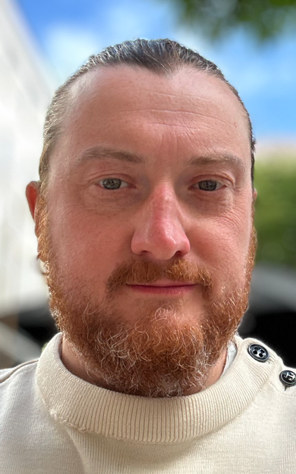
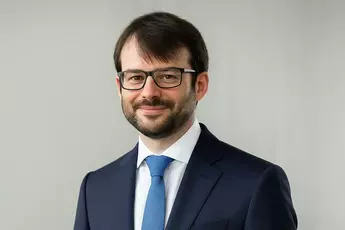
Ferdinand Dhombres – Coordination of the “Digital Health & Technology” Axis
Ferdinand Dhombres is a university hospital physician in the fetal medicine department at Armand Trousseau Hospital (APHP). He practices diagnostic ultrasound and provides fetal medicine consultations. He is a member of the CPDPN at Trousseau and has coordinated the Postgraduate Diploma (DIU) in Gynecological and Obstetric Ultrasound with Professor Jean-Marie Jouannic since 2016. He is also involved in developing artificial intelligence–based clinical decision support systems aimed at improving the quality and accuracy of diagnoses in obstetrics. These projects are part of a personalized medicine approach, where algorithms and databases enable care to be tailored to the specific characteristics of each pregnancy. Since 2012, he has served as coordinator of the scientific publication group of the French College of Fetal Ultrasound, a role that allows him to promote scientific excellence in obstetric ultrasound in France.
Joseph Gligorov - Coordination of the “Cancer” Axis
Dr. Joseph Gligorov is a medical oncologist who currently holds the position of Professor of Medical Oncology at Sorbonne University and practices as a physician in the Medical Oncology Department at Tenon Hospital in Paris (APHP). He is also an integral member of INSERM U938 “Cancer Biology and Treatments” team. Currently, Dr. Gligorov serves as the Executive Director of the APHP–Sorbonne University Cancer Institute. Dr. Gligorov’s main areas of clinical and translational research are breast cancer and the study of predictive factors for patient response to anticancer treatments. He also oversees the organization of the Nice–St Paul de Vence conference, which focuses on developing guidelines for breast cancer treatment. In addition, Dr. Gligorov co-founded and presides over the Mediterranean Association for Radiation Oncology and Medical Oncology (AROMe). This organization aims to improve care for cancer patients, facilitate access to innovative treatments, and promote oncology education in emerging countries of the Mediterranean region.


Alexandre Escargueuil – Permanent Guest, Scientific Co-Lead of the “Global Health Approach” Pillar of the SOUND Project
Alexandre Escargueil holds a PhD in molecular and cellular biology. During his career, he carried out his research activities in France, England and Brazil. In 2008, he joined Sorbonne University (SU) and became full professor in Cancer Biology and Genetics in 2014. His work is focused on the interplay between cancer biology and therapeutics. Since 2012, he is member of the Strategic Guidance Council of the “Institut Universitaire de Cancérologie” (APHP-Sorbonne University) and became its education director in 2021. In 2015, he created the bachelor in Innovate Public Health Sciences and co-founded in 2020 the Biomedical Humanities Initiative. In 2023, he was nominated scientific co-Coordinator of the “Global approach to Health” program run at SU and in 2025, he joined the newly created Alliance Sorbonne University Global Health Institute as a member of its executive committee. Finally, since 2022, he is co-coordinating the French-Indian “Integrated Health” program gathering together SU and IIT Delhi.
Strategic Orientation Committee
- R. Piarroux (President) – PU-PH, Faculty of Health Sciences-SU, Pitié Salpêtrière CHU, iPLesp UMRS 1136.
- P. Pizarro – Executive Director, Drugs for Neglected Diseases Initiative.
- P. Gadelha – Ex-President, Oswaldo Cruz Foundation, Fiocruz.
- K. Martin - Executive Directeur, Consortium of Universities for Global Health.
- Z. Mullan – Editor-in-Chief of The Lancet Global Health.
- C. Tourette-Turgis – FS-SU, Université des patients.
- A. Toma – Executive Director, European Patient Forum, Bruxelles.
- G. Dedet - Senior Health Economist, Organisation for Economic Co-operation and Development.
Renaud Piarroux – President of the Strategic Orientation Committee
A professor at Sorbonne University – Pitié-Salpêtrière Hospital, Renaud Piarroux is also Head of the Parasitology and Mycology Department at Pitié-Salpêtrière Hospital. For about thirty years, he has been involved in combating large-scale epidemics around the world, particularly cholera. Notably, at the request of the Haitian government and the French Embassy, he conducted the investigation into the origin of the epidemic that spread throughout the country nine months after the January 2010 earthquake. In this context, he worked with UNICEF and the Haitian Ministry of Health to guide control measures that ultimately led to the elimination of the disease in early 2019. Since the beginning of the Covid-19 pandemic, he has supported the leadership of Assistance Publique–Hôpitaux de Paris in the epidemiological monitoring of the crisis. He is the author of more than 70 international publications on the epidemiology of various infectious diseases and on strategies to control and eliminate them.
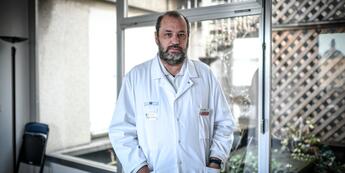
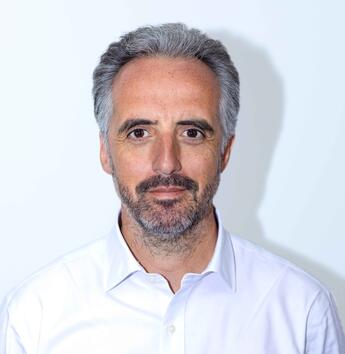
Luis Pizarro
Dr. Luis Pizarro has been leading the Drugs for Neglected Diseases initiative (DNDi) since September 2022. He is a physician and global health leader. He is the founder and a member of the think tank Global Health 2030, scientific advisor for global health at Sciences Po Paris, and a board member of Sidaction. From 2007 to 2019, he served as the first CEO of Solthis, a leading health organization in West and Central Africa. In 2020, he joined Unitaid to lead its HIV portfolio. Born in Chile and trained as a physician in Paris, he holds a Master’s degree in Political Science from Sciences Po and an Executive MBA in Public Health jointly awarded by the School of Advanced Studies in Public Health (EHESP), the London School of Economics, and ESCP European Business School.
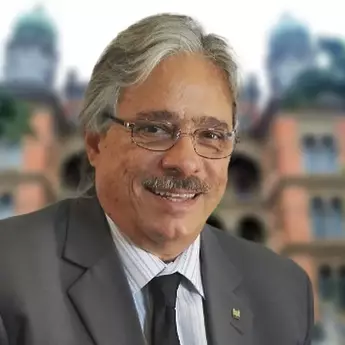
Paulo Gadelha
Paulo Gadelha is member of the 10-Member Group to support the Technology Facilitation Mechanism with the UN Inter-agency Task Team on STI for the SDGs and Coordinator of the FIOCRUZ Strategy for the 2030 Agenda, Oswaldo Cruz Foundation (FIOCRUZ), Brazil. As coordinator of the FIOCRUZ Strategy for the 2030 Agenda, Dr. Gadelha is in charge of promoting FIOCRUZ’s strategic engagement with the Agenda’s aspirational principles and goals. His background in technology includes studies of the application of technology in public health, healthcare models, and STI’s history. Dr. Gadelha was FIOCRUZ’s president from 2009 to 2016. Previously, he founded and directed “Casa de Oswaldo Cruz”, a FIOCRUZ Institute dedicated to the sociology and history of science and health. Dr. Gadelha served as a member of the National Health Council’s Science and Technology Intersectoral Commission. As President of the Brazilian Association of Collective Health, he chaired the 11th World Congress on Public Health. In 2017, with UN/DESA, he chaired FIOCRUZ’s efforts in organizing the 1st Consultation on Health and STI in the 2030 Agenda’s implementation. (Source)
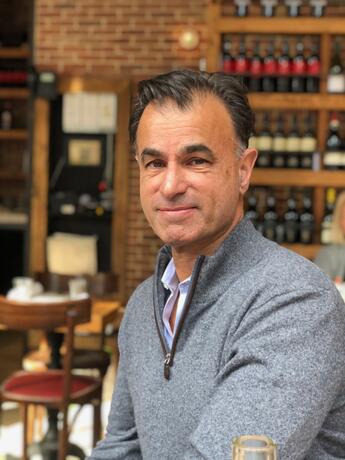
Keith Martin
Dr. Martin is the founding Executive Director of the Consortium of Universities for Global Health (CUGH), based in Washington, DC. Between 1993-2011, he served as a Member of Parliament in Canada’s House of Commons representing a riding in British Columba. He held shadow ministerial portfolios in foreign affairs, international development, and health and served as Canada’s Parliamentary Secretary for Defense. He created Canada’s first, all Party Parliamentary Conservation Caucus and the TV program, Beyond Politics. He has appeared frequently as a commentator on television and radio. His primary areas of interest are global health, foreign policy, international development, conservation and the environment. Dr. Martin has been on numerous diplomatic missions to areas in crisis, practiced as a physician on the Mozambique border during that country’s civil war and has travelled widely in Africa. He is a member of the Lancet Commission on Pollution and Health, the Lancet Global Health Commission on Anti-Corruption in Health, and the Nature Medicine Commission on Quality Health Information for All. In 2004, he was named to the Queen’s Privy Council by Canada’s Governor General.
Zoë Mullan
Zoë Mullan joined The Lancet Global Health as founding Editor-in-Chief in 2013 after working previously as a Senior Editor at The Lancet. She is an Ex-Officio Board Member of the Consortium of Universities for Global Health (USA) and a Scientific Advisory Board member of the Centre for International Health Protection at the Robert Koch Institute (Germany). Between 2013 and 2017, she was a Council Member and Trustee of the Committee on Publication Ethics. She originally trained in Biochemistry at the University of Bath (UK) before joining the publishing industry. She is passionate about health equity, research integrity and publication ethics, and using evidence to improve lives. (Source)
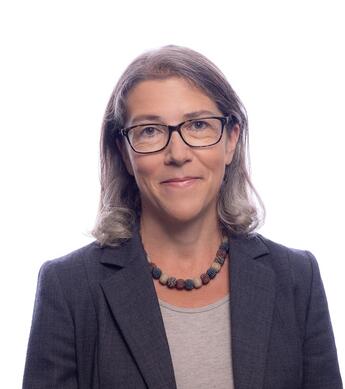
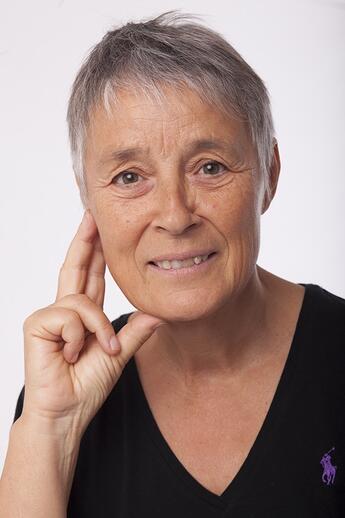
Catherine Tourette-Turgis
Catherine Tourette-Turgis is Professor Emerita at Sorbonne University’s Faculty of Health and Holder of the Chair “Competencies and Vulnerabilities.” She founded and leads the University of Patients – Sorbonne University, the first academic institution worldwide to award university degrees to patients — an innovation now adapted in Brazil, Morocco, Tunisia, Senegal, and Australia. She has over 20 years of international involvement in the global HIV/AIDS response, including a decade living in the United States from 1996 to 2006. She co-authored a randomized clinical trial (HIV Clinical Trials, 2003) demonstrating the effectiveness of counseling in improving therapeutic adherence. She has also designed and implemented therapeutic education programs in nine African countries. Since 2017, she has expanded her work into oncology, focusing on cancer recovery, return-to-work trajectories, and the epistemological recognition of experiential knowledge in care pathways. She is currently an awardee and scientific partner in two Horizon Europe projects focused on advancing patient engagement in clinical trials and on using artificial intelligence for risk prediction, care pathways and health decision-making. These projects contribute to transforming research ecosystems and strengthening participatory health governance in Europe.
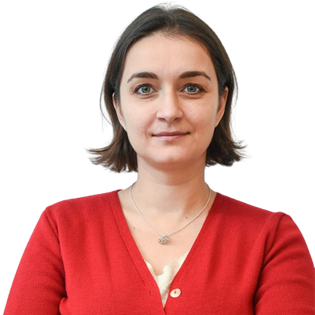
Anca Toma
Anca is the Executive Director of the European Patients’ Forum since March 2022. She is a public health advocate working in tobacco control, with expertise in European public health policy and advocacy, and extensive knowledge and experience of EU policy and institutions, advocacy strategies, policy campaigns and project management. Anca has led the Smoke Free Partnership for the past four years, in addition to her 10 years working on pan-European campaigns in SFP. Her almost 20 years of working experience includes the private sector (public affairs consultancy) and the public sector.
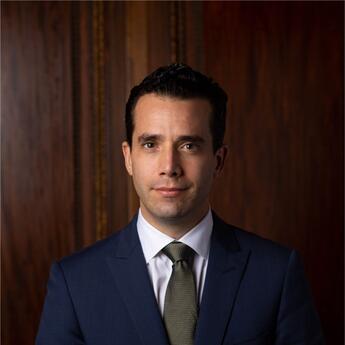
Guillaume Dedet
Guillaume Dedet is a physician and health economist. He works as a senior analyst for the Health Division of the Organisation for Economic Co-operation and Development (OECD), where he leads the organisation's work on comparative analysis of the performance of health systems in OECD countries. He previously worked at the Ministry of Health in Paris and at the WHO Regional Office in Copenhagen. Guillaume Dedet is a former Harkness Fellow and visiting professor at Stanford University. He also teaches at the School of International Affairs at Sciences Po Paris.